Introduction
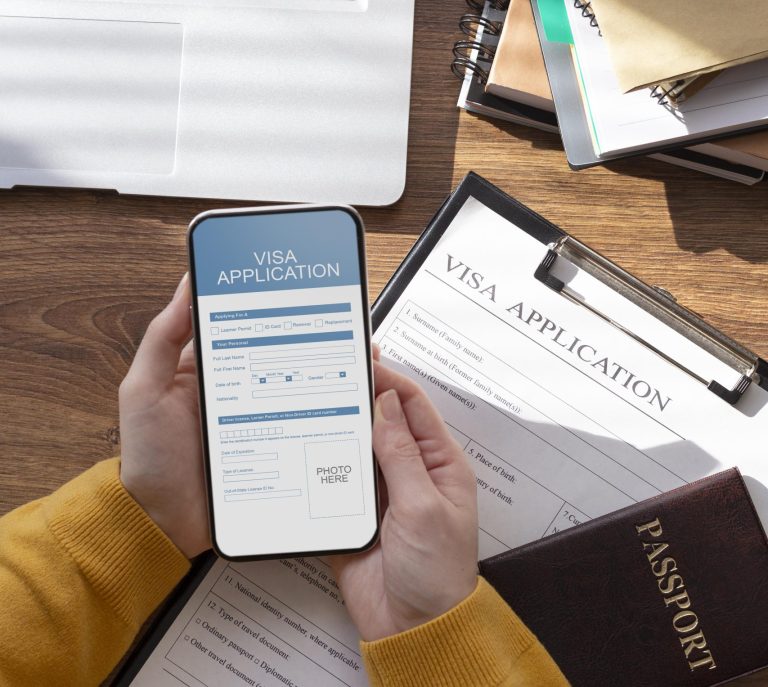
Planning to move abroad? One of the most common questions Indian students face is: Should I apply for a student visa or a work permit? Understanding the difference is crucial because it determines your path, purpose, and legal status in a foreign country.
In this guide, we’ll break down the essentials of both options to help you make an informed decision based on your goals, qualifications, and future plans.
Understanding Student Visa vs Work Permit
Let’s begin by understanding what these two terms really mean.
What is a Student Visa?
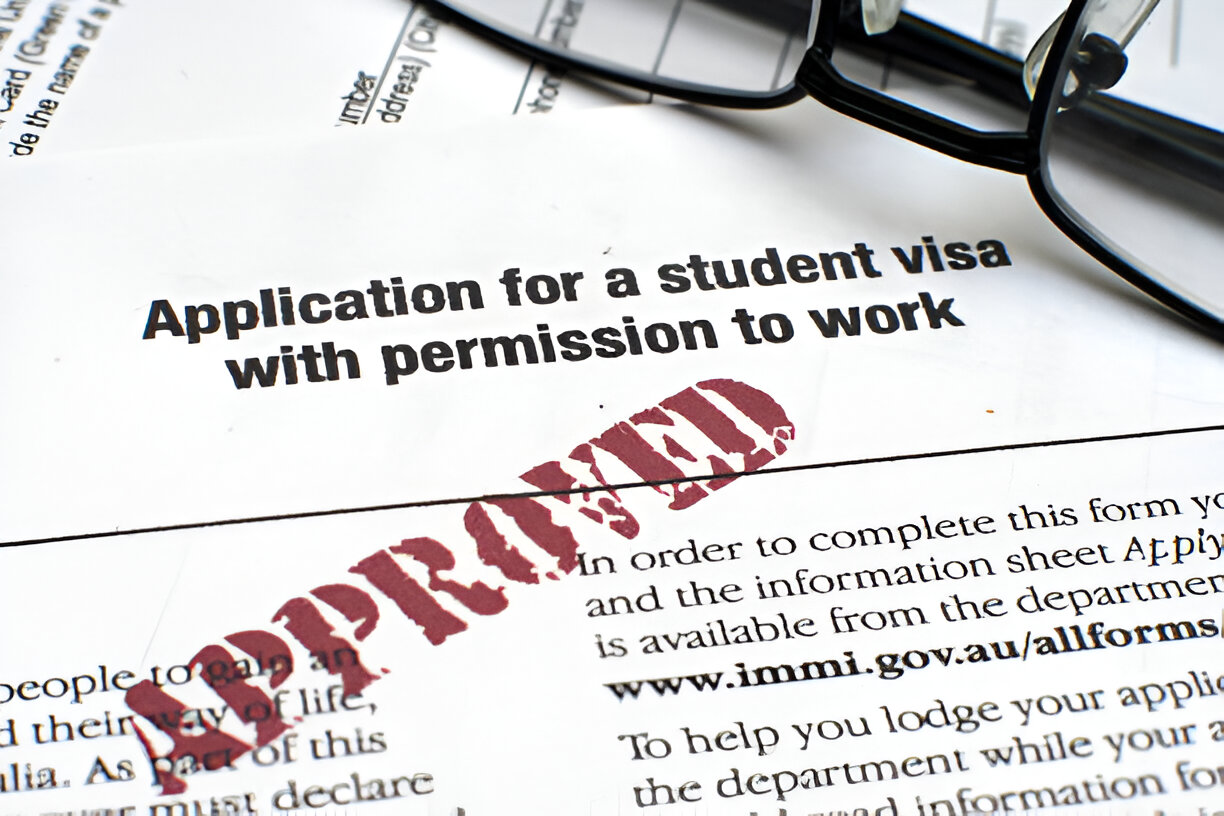
A student visa allows you to legally enter and stay in a country for the purpose of studying at an accredited institution. Moreover, most countries offer options to work part-time while you study.
Key features:
-
Purpose: Primarily for study.
-
Duration: Valid for the course duration.
-
Work: Limited part-time hours allowed in most countries.
-
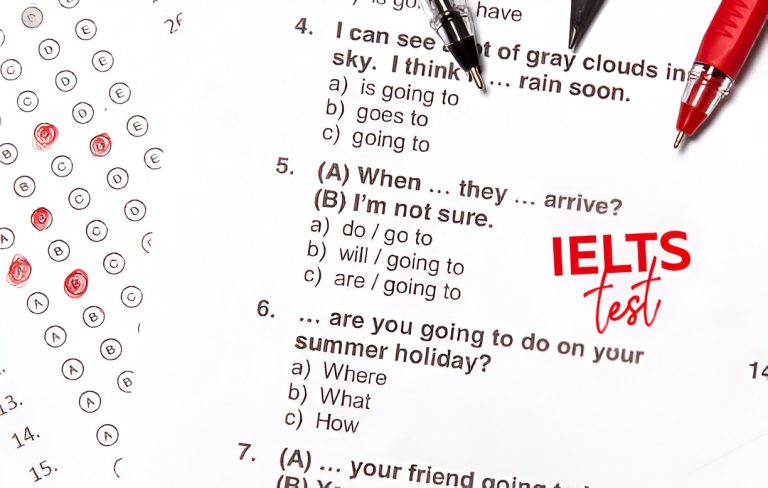
Requirement: Offer letter from a recognized university, proof of funds, academic records, IELTS or TOEFL scores.
What is a Work Permit?
A work permit, on the other hand, allows you to work in a country legally—either temporarily or permanently. Typically, it is not meant for studying, although some may allow part-time study.

Work Permit
Key features:
-
Purpose: Employment.
-
Duration: Based on contract or employment type.
-
Work: Full-time.
-
Requirement: Valid job offer, employer sponsorship, skill documentation, and sometimes a labor market test.
Key Differences: Student Visa vs Work Permit
| Feature | Student Visa | Work Permit |
|---|---|---|
| Main Goal | Study | Work |
| Eligibility | Admission in university | Job offer or employment contract |
| Work Options | Limited part-time | Full-time employment |
| Extension | Based on course | Based on job contract |
| PR Pathway | Often available after graduation | Available through employment route |
Which One Should You Choose?
When to Choose a Student Visa
If you want to:
-
Pursue higher education
-
Build a global academic profile
-
Eventually transition to a post-study work visa
Then, a student visa is your best bet. Additionally, studying abroad boosts your chances of permanent residency in countries like Canada, Australia, and the UK.
When to Choose a Work Permit
If you already have:
-
Work experience
-
A job offer abroad
-
Specific trade skills in demand
Then opting for a work permit can fast-track your career and settlement.
Documents Required
Regardless of your choice, documentation is key. Here’s a quick comparison:
For Student Visa:
-
Passport
-
Admission letter
-
Financial proof
-
IELTS/TOEFL scores
-
Academic transcripts
For Work Permit:
-
Passport
-
Employment contract
-
Proof of qualifications/experience
-
Medical and police clearances
-
Work sponsorship (in some cases)
Conclusion
Choosing between a student visa and work permit depends entirely on your long-term goals. For those aiming to build a solid academic foundation and explore global opportunities later, the student visa is ideal. Conversely, if you’re job-ready and looking to start earning immediately, a work permit could be the right path.
Pro Tip: Use the GetNextVisa AI report to find your best-fit visa route, based on your profile and goals.